
The Best Tips on How to Produce Twins Naturally, and Assisted

Curious about how to produce twins ? This guide dives into natural methods like tweaking your diet and considering factors like age, along with fertility treatments that can up your chances.
When my husband and I were trying to have a baby, we hit a rough patch for about a year. So, we decided to give IVF a shot. After just one round of IVF and transferring a single embryo, we were totally surprised to find out I was pregnant with identical twins! The embryo had split! While we didn’t end up with twins naturally, it wasn’t something we had initially expected, but it was an incredible blessing that brought double the joy into our lives.
Understanding Twin Conception
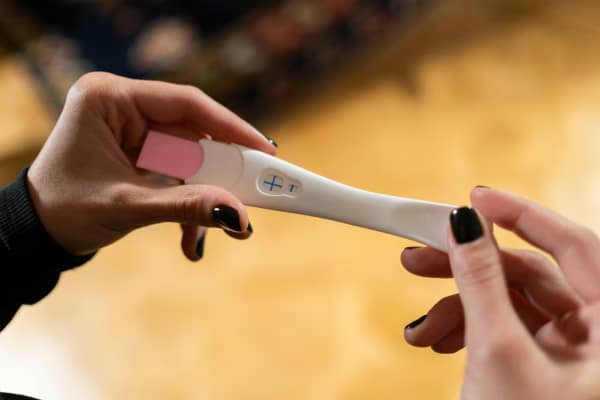
Getting the hang of how twin pregnancies work starts with knowing how twins are made. Twin pregnancies happen more often than you’d think, with about one in every 89 births resulting in twins.
Twins come in two main types: identical and fraternal. Identical twins, or monozygotic twins, come from one fertilized egg that splits into two separate embryos. Fraternal twins, or dizygotic twins, are formed when two separate eggs are fertilized by two different sperm cells.
Each type of twin pregnancy has its own cool traits and ways of forming, which we’ll dive into in the next sections.
Identical Twins

Identical twins, also known as monozygotic twins, are one of nature’s coolest tricks. These twins form from a single fertilized egg that splits into two embryos. Sharing the exact same DNA, an identical twin is always of the same sex and often looks strikingly similar. Approximately 25% of identical twins happen to be mirror images of each other, and they share the same genetic components, making them unique in the realm of multiple births.
This fascinating occurrence happens randomly and remains uninfluenced by family history or genetic factors.
Fraternal Twins

Fraternal twins, or dizygotic twins, come about when two separate eggs get fertilized. This process involves two different sperm cells. Unlike identical twins, fraternal twins share no more genetic similarity than regular siblings. They can be of the same or different sexes and may or may not look alike.
Fraternal twins occur more commonly than identical twins, making up about 70% of twin pregnancies.
Factors That Influence Twin Pregnancies
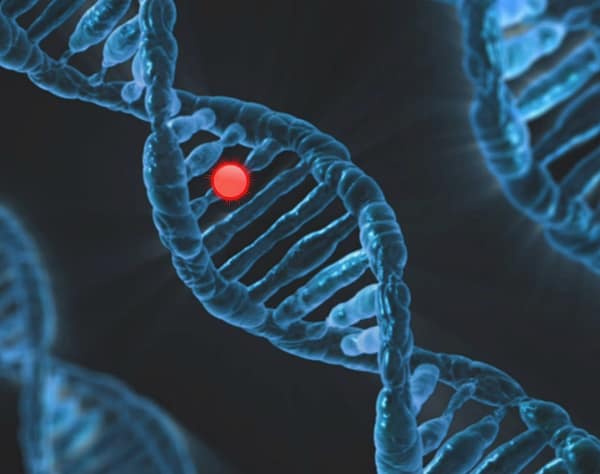
There are a bunch of factors that can up your odds of having twins. Things like family history, how old you are, and even your ethnicity can play a big part in whether you’ll have a twin pregnancy. For example, if twins run in your family, especially on your mom’s side, you’ve got a better shot at having fraternal twins.
Plus, older women have a higher chance of conceiving twins because their hormones might prompt the release of multiple eggs. Your ethnicity and where you live can also shake things up when it comes to how often twin births happen around the world.
Exploring these influences can help increase the chances of having twins occur naturally.
How To Produce Twins With Your Family History
If twins run in your family, especially on your mom’s side, you might have a better shot at having fraternal twins. This is because there’s a genetic tendency for some women to release more than one egg at a time, which can lead to fraternal twins. So, if you’ve got a close relative with fraternal twins or you are a fraternal twin yourself, your chances are higher.
On the flip side, identical twins are a different story. They don’t really follow family lines because their occurrence isn’t influenced by genetics.
Maternal Age
Maternal age is a big deal when it comes to twin pregnancies. If you’re over 30, you’ve got higher levels of follicle-stimulating hormone, which could mean releasing more than one egg and upping your chances of having twins. Women over 40 are even more likely to end up with twins compared to younger women.
This hormonal boost really cranks up the odds of having twins.
Ethnicity and Geography
Ethnicity and where you live can also have a big impact on how often twins are born. Some places, like Nigeria, see way more twins due to both genetic and geographic reasons. Different ethnic groups have their own likelihood of having twins, leading to noticeable differences in twin births among various populations.
Knowing these factors gives you a better understanding of how twins naturally happen around the world.
How to Produce Twins Using Natural Methods
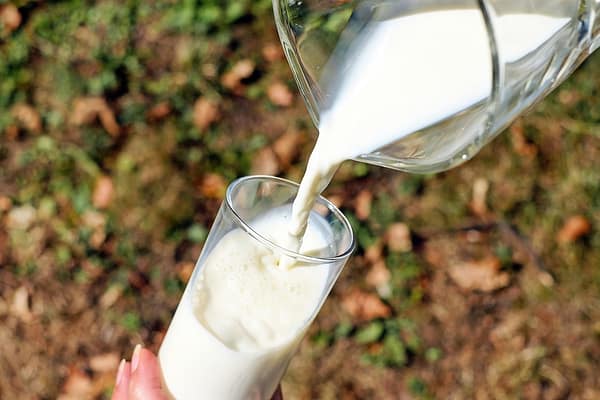
There are several ways to naturally boost your chances of conceiving twins.
Check out these factors that can make a difference in upping the odds of having twin pregnancies:
- Diet and nutrition: Eating more dairy and yams
- Body weight and height: Having a higher body mass index (BMI)
- Previous pregnancies: Already having a few kids under your belt
These are just some natural tricks to increase your chances.
We’ll dive into these methods in more detail below.
How to Produce Twins Through Diet and Nutrition
Diet and nutrition play a big role in boosting your chances of having twins. Eating more dairy products is linked to a higher chance of conceiving twins, thanks to the hormones found in milk. Munching on yams is also connected to higher twin birth rates among certain groups, like the Yoruba people.
The Yoruba diet, packed with yams and okra leaves, is famous for its link to higher rates of twin births.
Body Weight and Height
Body weight and height can also play a role in upping your chances of having twin pregnancies. If you’ve got a higher body mass index (BMI), say over 30, you’re more likely to conceive twins because of some hormonal magic going on.
And hey, if you’re on the taller side, you’re in luck too! Taller women tend to have more twin pregnancies, possibly because of better nutrition and higher levels of certain growth factors.
Previous Pregnancies
Already having kids can boost your chances of having twins in future pregnancies. If you’ve been through the pregnancy journey before, your body might be more prepared to handle multiple embryos, making it more likely for twin pregnancies to happen. It’s like your body gets used to the idea and is ready for the challenge of carrying two babies at once!
How to Produce Twins With Fertility Treatments

Fertility treatments can really boost your chances of having twins. Options like In Vitro Fertilization (IVF), ovulation-inducing meds, and Assisted Reproductive Technology (ART) are some of the go-to methods for upping twin pregnancy rates. These treatments often involve putting multiple embryos into the mix or getting the ovaries to produce more eggs, which naturally ups the odds of having twins.
We’ll break down these treatments in more detail below.
How To Produce Twins With In Vitro Fertilization (IVF)
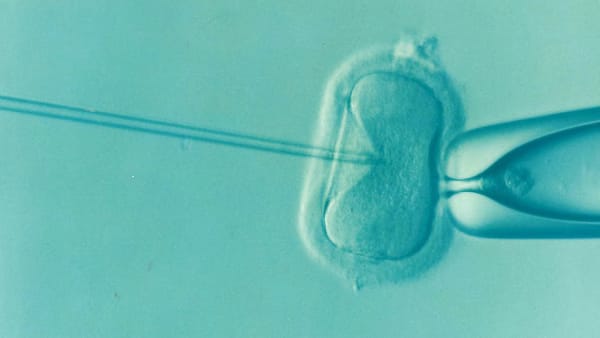
In Vitro Fertilization (IVF) is a pretty popular way to boost your chances of having twins. Basically, it involves putting more than one embryo into the uterus, which ups the odds of having fraternal twins. And hey, if one of those embryos decides to split, you could end up with identical twins!
The whole embryo transfer thing during IVF can lead to more than one embryo sticking around, which is why it’s a go-to method for those wanting twins. Fun fact: I actually ended up with identical twins thanks to IVF, and now I’ve got two adorable kiddos!
How to Produce Twins With Ovulation-Inducing Medications
Ovulation-inducing medications are a big help when it comes to boosting your chances of releasing more than one egg, which can lead to twin pregnancies. Clomid and Femara are the usual go-to meds for this, with Clomid giving you about a 7.4% shot at twins and Femara around 3.4%.
Then there are gonadotropins, which are even more effective, bumping up the twin rate to 30%!
How to Produce Twins With Assisted Reproductive Technology (ART)
Assisted Reproductive Technology (ART) includes a bunch of methods to help people get pregnant, like IVF. Some ART techniques, such as IVF, involve putting more than one embryo in the mix, which ups the chances of having twins. These procedures often mean fertilizing a bunch of eggs, so if more than one embryo sticks, you could end up with twins or even more babies!
While ART techniques can significantly enhance the likelihood of twin conception, it is essential to consider the medical implications and potential risks associated with multiple pregnancies.
Recognizing Signs of a Twin Pregnancy

Spotting the signs of a twin pregnancy early can help you stay on top of any potential hiccups and get ready for the arrival of your twin babies. Twin pregnancies often come with more challenges, like a higher chance of anemia. You might notice more weight gain and other symptoms because you’re carrying two babies.
Figuring out the early signs and symptoms of a twin pregnancy is super important for expecting moms. Let’s dive into these symptoms a bit more below.
Intense Early Pregnancy Symptoms
Before:
Women might feel more intense morning sickness and tiredness when expecting twins compared to just one baby. Those carrying twins could also notice their breasts are more tender and they gain weight faster, sometimes even in the first trimester. The stronger and longer-lasting morning sickness can be a big hint that you’re having twins.
After:
Women might notice:
- More intense morning sickness
- Feeling more tired
- More tender breasts
- Gaining weight faster, sometimes even in the first trimester
The stronger and longer-lasting morning sickness can be a big hint that you’re having twins.
Higher hCG Levels
When you’re expecting twins, your hCG levels can be way higher than if you were just carrying one baby. These levels shoot up, especially early on, and can be a good hint that you might have a twin pregnancy on your hands.
Keeping an eye on these levels can give you a sneak peek into the possibility of carrying twins.
Ultrasound Detection
Ultrasound is the main way to find out if you’re having twins during pregnancy. An early ultrasound, usually done around 6 to 7 weeks in, can show if you’ve got twin embryos. Catching this early is super important for understanding a twin pregnancy and getting ready for the special journey of carrying twins.
Potential Risks and Complications
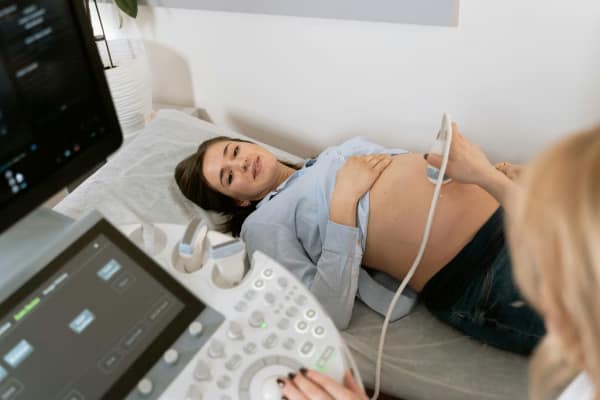
Having twins comes with its own set of potential worries and hiccups. You might face stuff like early labor, preeclampsia, and gestational diabetes. Plus, there’s a chance of dealing with a rough type of pregnancy sickness called hyperemesis gravidarum, which can be more common when you’re expecting twins.
But don’t stress too much! Keeping up with regular check-ups and prenatal care can really help keep things in check and make sure both you and the babies stay healthy. We’ll chat more about these potential bumps in the road below.
High Blood Pressure and Gestational Diabetes
Women pregnant with twins have a higher likelihood of developing hypertension compared to those carrying a single fetus. The increased risk of gestational diabetes also means careful monitoring and management to ensure a healthy pregnancy.
These conditions need some extra attention during prenatal check-ups to keep things on track and avoid any hiccups.
Preterm Birth
Having twins means there’s a higher chance of them arriving earlier than expected, which is something parents-to-be should keep in mind. The odds of a preterm birth go up with twins, so you’ll likely need to keep a closer eye on things with your healthcare provider.
Knowing about these risks helps you stay on top of everything and be ready to keep both mom and the babies healthy.
Birth Defects
When it comes to twin pregnancies, there’s a slightly higher chance of certain birth defects compared to single births. It’s good for expecting parents to be aware of this and chat with their healthcare provider for some extra monitoring and advice.
Regular check-ups and screenings can really help catch and manage any issues early on.
Summary of How to Produce Twins
To wrap things up, figuring out how to produce twins can seriously boost your odds of welcoming those double bundles of joy. Whether you’re going the natural route with diet tweaks and keeping an eye on your weight or opting for high-tech help like IVF and ART, there are plenty of ways to up your chances of a twin pregnancy. Spotting the signs early and knowing what bumps might come along the way means you’re all set for the one-of-a-kind adventure of carrying twins. Remember, the road to having twins is just as unique and exciting as the twins themselves. Here’s to doubling the fun and excitement with twins!
Ready to dive into more reviews and awesome twin product recommendations? Click here! For all things twin-related, don’t miss our Home Page or Blog Page. If you’re on the hunt for survival strategies for those wild First Years, click here! For a peek into Twin Life, click here, and if you’re curious about our own personal twin adventure, click here! We’d love to hear from you, so don’t be shy—reach out and say hi here!